Vinyl vs Composite Stick-On Tiles: Which Should You Choose?
Choose composite tiles for kitchen splashbacks, higher-heat areas and the most realistic tiled look, and choose vinyl tiles for a budget-friendly update with convincing depth. Composite tiles are 4mm thick with a laminate finish. Vinyl tiles are 2.5mm thick with a glossier finish. Both are water-resistant, both install directly over existing tiles, and neither needs grout.
What is the difference between vinyl and composite tiles?
- Composite tiles: our premium option. A PVC composite construction with a laminate finish, 4mm thick. More heat resistant, more durable and an ultra-realistic tile appearance.
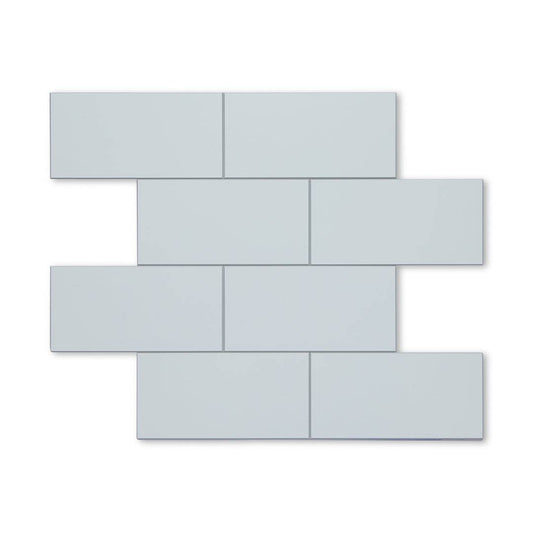
- Vinyl tiles: 2.5mm thick with a glossier finish. Lightweight, flexible and still a highly realistic, three-dimensional finish with raised tile faces and recessed grout detailing.
Which is better behind a cooktop?
Composite. Composite tiles are the better option for areas exposed to higher heat, and they are the range we recommend for splashbacks behind cooking surfaces. Keep at least 15cm from the centre of the back burner to the splashback area, because the risk is open flame exposure. Read the full explanation in our cooktop heat clearance guide.
Which hides existing grout lines better?
Both are designed to go directly over existing tiles and are thick enough to significantly reduce the visibility of the grout lines underneath. Composite, being thicker, gives the most coverage over deeper grout lines or textured tile. See how to install over existing tiles.
Are both water-resistant?
Yes. Both ranges are water-resistant by design and suit splashbacks, bathroom walls, laundries and other splash zones. Neither is designed for continuously wet areas or direct, ongoing water, including inside shower enclosures. For the full detail, read are stick-on tiles waterproof.
How do the prices compare?
All tiles are sold by the sheet. Vinyl tiles start from $11 per sheet and composite tiles from $16 per sheet, with sheet sizes varying by design. Composite is the step up in thickness, realism and heat resistance. Vinyl is the more budget-friendly choice, ideal for affordable DIY cosmetic renovations.
Do both ranges have the same designs?
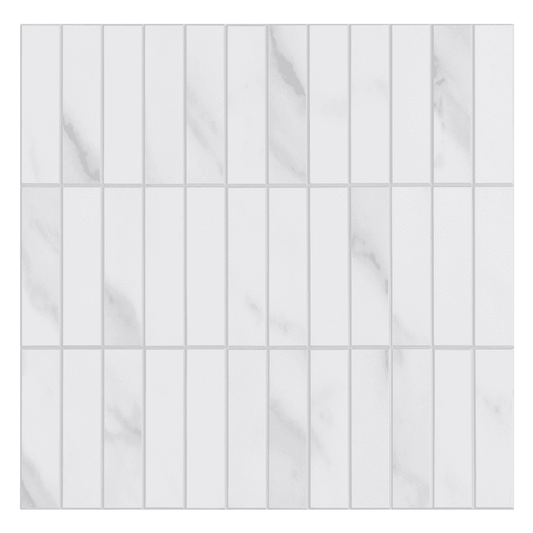
Several popular designs, including Kit Kat, Subway and Feather, are available across the vinyl and composite ranges, so you can often choose the same look at either thickness.


How do you decide?
- Kitchen splashback or behind a cooktop: composite.
- Bathroom walls, laundries and feature walls on a budget: vinyl.
- Deep grout lines or textured existing tile: composite.
- You want the closest thing to real tile: composite.
- Still undecided: order one of each sample kit and compare them in your own lighting.
The Vinyl Tiles sample kit is $19.95 and the Composite Tiles sample kit is $29.95, and you can redeem the cost on your full order. See every range's kit in the sample kits collection. Browse Composite Wall Tiles or Vinyl Wall Tiles.
Shop This Style
Kit Kat Stick on Composite Tile - Natural Marble
From $16.00 per sheet
View Product →